
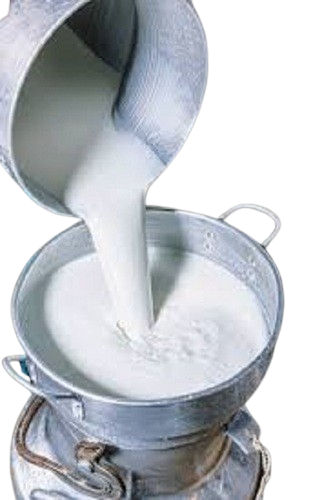
100% organic milk is the purest and healthiest form of milk, produced without harmful chemicals, hormones, or antibiotics. It provides natural nutrition and supports long-term health for all age groups.
However, in today’s fast-paced and highly commercialized food industry, not all milk is truly milk. Adulteration, excessive processing, chemical preservatives, and synthetic additives have become common concerns. This is why choosing pure milk is no longer just a preference—it is a necessity.
This blog explores in depth why choosing pure milk matters for your family, how it impacts health at every stage of life, and why purity should never be compromised.
What Is Pure Milk?
Pure milk is natural milk obtained from healthy cows or buffaloes, without dilution, adulteration, or the addition of harmful chemicals. It is milk in its most natural form, containing essential nutrients exactly as nature intended.
Pure milk:
- Is free from urea, detergents, starch, and synthetic whiteners
- Does not contain artificial preservatives
- Retains its natural fat, protein, and mineral content
- Is hygienically collected and safely delivered
In contrast, adulterated or over-processed milk may look similar but lacks nutritional integrity and can pose health risks.
The Growing Problem of Milk Adulteration
Milk adulteration is a serious issue affecting many families unknowingly. To increase volume and shelf life, some suppliers add substances such as:
- Water (to dilute milk)
- Urea (to increase thickness)
- Detergents (to create foam)
- Starch or synthetic milk powder
- Preservatives and antibiotics
Long-term consumption of such milk can lead to digestive disorders, hormonal imbalance, kidney stress, and weakened immunity—especially in children.
Choosing pure milk protects your family from these hidden dangers.Milk has been a cornerstone of family nutrition for centuries. In Indian households especially, milk is more than just a beverage—it is part of daily rituals, childhood growth, traditional recipes, and overall well-being. From a child’s morning glass of milk to elders enjoying tea, milk plays a continuous role throughout life.
However, in today’s fast-paced and highly commercialized food industry, not all milk is truly milk. Adulteration, excessive processing, chemical preservatives, and synthetic additives have become common concerns. This is why choosing pure milk is no longer just a preference—it is a necessity.
This blog explores in depth why choosing pure milk matters for your family, how it impacts health at every stage of life, and why purity should never be compromised.
What Is Pure Milk?
Pure milk is natural milk obtained from healthy cows or buffaloes, without dilution, adulteration, or the addition of harmful chemicals. It is milk in its most natural form, containing essential nutrients exactly as nature intended.
Pure milk:
- Is free from urea, detergents, starch, and synthetic whiteners
- Does not contain artificial preservatives
- Retains its natural fat, protein, and mineral content
- Is hygienically collected and safely delivered
In contrast, adulterated or over-processed milk may look similar but lacks nutritional integrity and can pose health risks.
The Growing Problem of Milk Adulteration
Milk adulteration is a serious issue affecting many families unknowingly. To increase volume and shelf life, some suppliers add substances such as:
- Water (to dilute milk)
- Urea (to increase thickness)
- Detergents (to create foam)
- Starch or synthetic milk powder
- Preservatives and antibiotics
Long-term consumption of such milk can lead to digestive disorders, hormonal imbalance, kidney stress, and weakened immunity—especially in children.
Choosing pure milk protects your family from these hidden dangers.
In today’s fast-paced world, people are becoming more conscious about what they consume daily. Among essential food items, milk plays a vital role in nutrition for all age groups. Choosing organic milk is no longer a trend—it is a smart and responsible lifestyle decision. Free from harmful chemicals and produced using natural farming methods, organic milk offers purity, nutrition, and sustainability in every glass.
What Is Organic Milk?
Organic milk is produced from cows that are raised according to certified organic farming standards. These cows are fed organic fodder grown without synthetic pesticides, fertilizers, or genetically modified organisms. No artificial growth hormones or routine antibiotics are used in the production of organic milk, ensuring a cleaner and safer product.
This natural approach preserves the original quality of milk while maintaining ethical animal care and environmental balance.
How Organic Milk Is Produced
Natural Feeding Practices
Cows producing organic milk are fed 100% organic feed. The feed is grown naturally, without chemical sprays or artificial enhancers.
Humane Animal Care
Animal welfare is a key principle of organic dairy farming. Cows are allowed to graze outdoors, move freely, and live in low-stress environments, which directly impacts milk quality.
No Harmful Chemicals
Organic milk production strictly avoids synthetic hormones, antibiotics, preservatives, and additives. This ensures that the milk remains as close to nature as possible.
Nutritional Benefits of Organic Milk
Organic milk is rich in essential nutrients that support overall health and well-being. These include:
- High-quality protein for muscle growth
- Calcium for strong bones and teeth
- Omega-3 fatty acids for heart health
- Vitamins A, D, and B12
Studies suggest that organic milk often contains higher levels of beneficial fatty acids compared to conventional milk. This makes it an excellent choice for people focusing on balanced nutrition.
Organic Milk vs Regular Milk
Purity and Safety
Regular milk may contain traces of antibiotics or hormones used during dairy farming. Organic milk is free from such residues, making it safer for daily consumption.
Taste and Freshness
Many consumers report that organic milk has a richer, creamier taste due to natural feeding and healthier cows.
Long-Term Health Benefits
By avoiding synthetic chemicals, organic milk supports better digestion, stronger immunity, and reduced toxin exposure over time.
Benefits of Organic Milk for Children
Children require clean and nutritious food for proper growth and development. Organic milk is ideal for children because:
- It supports healthy bone development
- It strengthens the immune system
- It reduces exposure to harmful substances
Parents who choose organic milk ensure their children receive wholesome nutrition without unnecessary chemicals.
Organic Milk and Digestive Health
Many people experience digestive discomfort after consuming regular milk. Organic milk is often easier to digest due to its natural composition and absence of synthetic additives. It supports gut health and promotes better absorption of nutrients.
For individuals with mild lactose sensitivity, organic milk may feel lighter and more comfortable on the stomach.
Environmental Benefits of Organic Milk
Eco-Friendly Farming
Organic dairy farming protects soil health, reduces water pollution, and supports biodiversity by avoiding chemical fertilizers and pesticides.
Sustainable Agriculture
By promoting natural grazing and renewable farming practices, organic milk production helps maintain ecological balance for future generations.
Choosing organic milk is not just good for health—it is also a responsible step toward environmental conservation.
Organic Milk for Fitness and Active Lifestyles
Fitness enthusiasts and athletes prefer organic milk as a natural source of protein and energy. It helps in:
- Muscle recovery after workouts
- Strengthening bones and joints
- Providing clean calories without chemicals
Organic milk serves as an excellent post-workout drink or daily nutrition supplement for active individuals.
How to Identify Genuine Organic Milk
To ensure you are buying authentic organic milk, look for the following:
- Certified organic labels
- Clear ingredient lists
- Transparent sourcing information
- Trusted dairy brands
Avoid products that use misleading terms like “natural” without proper certification.
H1 (Main Heading – Only One)
100% Organic Milk – Pure, Fresh & Chemical-Free Nutrition
✅ H2 Headings (Main Sections)
- What Is 100% Organic Milk?
- How 100% Organic Milk Is Produced Naturally
- Nutritional Value of 100% Organic Milk
- Health Benefits of 100% Organic Milk
- 100% Organic Milk vs Regular Milk
- Why Choose 100% Organic Milk for Your Family
- Digestive Benefits of 100% Organic Milk
- Environmental Benefits of Organic Milk Farming
- 100% Organic Milk for Fitness and Active Lifestyle
- How to Identify Genuine 100% Organic Milk
- Is 100% Organic Milk Worth the Price?
- How to Use 100% Organic Milk in Daily Diet
- Growing Demand for 100% Organic Milk
- Why Choose 100% Organic Milk Daily
✅ H3 Headings (Sub-Sections)
Under “How 100% Organic Milk Is Produced Naturally”
- Organic Cow Feeding Practices
- Ethical Animal Welfare Standards
- No Hormones or Antibiotics Used
Under “Health Benefits of 100% Organic Milk”
- Improves Immunity Naturally
- Supports Strong Bones and Teeth
- Promotes Better Digestion
- Reduces Chemical Exposure
Under “100% Organic Milk vs Regular Milk”
- Difference in Purity and Safety
- Taste and Quality Comparison
- Nutritional Differences
Under “Environmental Benefits of Organic Milk Farming”
- Eco-Friendly Dairy Practices
- Soil and Water Conservation
- Support for Sustainable Agriculture
Under “How to Identify Genuine 100% Organic Milk”
- Check Organic Certification Labels
- Read Ingredients Carefully
- Choose Trusted Organic Dairy Brands
Is Organic Milk Worth the Price?
Organic milk is often priced higher than regular milk due to ethical farming practices and higher production costs. However, the benefits outweigh the price:
- Better health outcomes
- Reduced medical risks
- Cleaner environment
- Higher nutritional value
Investing in organic milk is an investment in long-term health and sustainability.
The Growing Demand for Organic Milk
With rising awareness about food safety and wellness, demand for organic milk is increasing globally. Consumers are shifting toward transparency, traceability, and clean nutrition. Organic milk is becoming a staple in health-focused households and wellness-oriented lifestyles.
Conclusion
Organic milk represents purity, nutrition, and responsibility. From better health benefits to environmental sustainability, it offers advantages that go beyond basic nutrition. By choosing organic milk, you support ethical farming, protect your family’s health, and contribute to a greener planet.
Making the switch to organic milk is a simple yet powerful step toward a healthier and more consciou
100% Organic Milk | Pure, Fresh & Chemical-Free Nutrition
100% organic milk is the purest and healthiest form of milk, produced without harmful chemicals, hormones, or antibiotics. It provides natural nutrition and supports long-term health for all age groups.

In today’s modern lifestyle, health has become a top priority for individuals and families. Among daily food essentials, milk plays a crucial role in providing nutrition, strength, and energy. Choosing 100% organic milk is one of the best decisions you can make for long-term health, safety, and wellness. Produced using natural farming practices and free from harmful chemicals, organic milk represents purity in its truest form.
What Is 100% Organic Milk?
100% organic milk is milk obtained from cows that are raised under certified organic farming standards. These cows are fed only organic feed, grown without chemical fertilizers, pesticides, or genetically modified organisms (GMOs). No artificial growth hormones, antibiotics, or preservatives are used during production.
This ensures that organic milk remains natural, nutritious, and safe for daily consumption by people of all ages.
How 100% Organic Milk Is Produced
Natural Cow Feeding
Cows producing 100% organic milk consume organically grown grass, grains, and fodder. These feeds are cultivated without synthetic chemicals, ensuring higher milk quality and better nutrition.
Ethical Animal Welfare
Animal welfare is central to organic dairy farming. Cows are allowed to graze freely in open pastures, live in clean environments, and are treated humanely. Healthy cows naturally produce healthier milk.
No Harmful Additives
Organic milk production strictly avoids:
- Artificial hormones (rBST)
- Antibiotics
- Chemical preservatives
- Synthetic additives
This keeps the milk clean, safe, and close to nature.
Nutritional Value of 100% Organic Milk
100% organic milk is rich in essential nutrients that support overall health:
- High-quality protein for muscle growth and repair
- Calcium for strong bones and teeth
- Omega-3 fatty acids for heart and brain health
- Vitamin A for eye and skin health
- Vitamin D for calcium absorption
- Vitamin B12 for energy and nerve function
Compared to regular milk, organic milk often contains higher levels of beneficial fats and antioxidants.
Health Benefits of 100% Organic Milk
1. Stronger Immunity
Organic milk supports immune function due to its clean and natural composition.
2. Better Digestive Health
Free from artificial chemicals, organic milk is gentler on the stomach and easier to digest.
3. Healthy Bone Development
The high calcium and vitamin D content helps build strong bones, especially in children and older adults.
4. Reduced Chemical Exposure
Choosing organic milk reduces long-term exposure to antibiotics and hormones commonly found in conventional milk.
100% Organic Milk for Children and Families
Children require safe and nutritious food for proper growth. 100% organic milk is an ideal choice for families because:
- It supports brain and physical development
- It reduces allergy and sensitivity risks
- It ensures clean nutrition without toxins
Parents who choose organic milk invest in their children’s future health.
Table of Contents
- Introduction to 100% Organic Milk
- What Is 100% Organic Milk?
- How 100% Organic Milk Is Produced Naturally
- Organic Cow Feeding Practices
- Ethical Animal Welfare Standards
- No Hormones or Antibiotics Used
- Nutritional Value of 100% Organic Milk
- Health Benefits of 100% Organic Milk
- Improves Immunity Naturally
- Supports Strong Bones and Teeth
- Promotes Better Digestion
- Reduces Chemical Exposure
- 100% Organic Milk vs Regular Milk
- Purity and Safety Comparison
- Taste and Quality Differences
- Nutritional Comparison
- Why Choose 100% Organic Milk for Your Family
- Digestive Benefits of 100% Organic Milk
- Environmental Benefits of Organic Milk Farming
- Eco-Friendly Dairy Practices
- Soil and Water Conservation
- 100% Organic Milk for Fitness and Active Lifestyle
- How to Identify Genuine 100% Organic Milk
- Is 100% Organic Milk Worth the Price?
- How to Use 100% Organic Milk in Daily Diet
- Growing Demand for 100% Organic Milk
- Why Choose 100% Organic Milk Daily
- Conclusion
Organic Milk vs Regular Milk
Purity
Regular milk may contain traces of antibiotics or hormones. Organic milk is free from such substances.
Taste
Many consumers find organic milk creamier and fresher due to natural feeding practices.
Safety
Organic milk follows strict certification standards, ensuring consistent quality.
Sustainability
Organic dairy farming protects the environment and supports ethical agriculture.
Environmental Benefits of 100% Organic Milk
Eco-Friendly Farming
Organic farming avoids chemical fertilizers and pesticides, protecting soil and water quality.
Biodiversity Protection
Organic farms promote natural ecosystems, benefiting wildlife and plant diversity.
Sustainable Future
By choosing organic milk, consumers support sustainable agriculture and environmental conservation.
best digital marketing
shop now the milk and orgonic